
While answering the question why
home massage in Dubai is mandatory because “Over half of UAE residents
reportedly have back pain problems, often linked to long hours at a desk”. In Dubai’s busy corporate culture, sedentary work, poor posture,
traffic stress and relentless schedules create chronic back tension. The modern
“desk-bound lifestyle, weakens core and back muscles”, making the spine
vulnerable. Stress amplifies the problem – raising cortisol and inflammation
around spinal discs and locking muscles tight. Massage can help restore
balance, improve circulation, and ease this tension through natural, non-drug
mechanisms. This blog explains how massage works (with science), what to
expect, and how it fits into your self-care (not as a medical cure).
Disclaimer: This is health-focused education, not medical advice. Always consult a
healthcare provider before starting any therapy for serious conditions.
Office jobs in Dubai often mean long hours at computers. Improper
ergonomics (bad chairs, slouching) “puts undue strain on the spine and back
muscles, causing pain”. Many UAE experts note that poor posture combined
with endless screen time or commuting “weakens the core and back muscles”.
Over time, this leads to muscle fatigue and back pain. In fact, about 60% of
UAE adults suffer back pain, often tied to sedentary lifestyle and stress.
Emotional pressure and chronic stress make muscles clamp up as well. Stress
triggers cortisol release, which can fuel inflammation around spinal discs.
Persistent stress is directly linked to more muscle tension and pain. In short,
the mix of desk work, traffic, travel fatigue and stress-related posture habits
makes Dubai professionals highly prone to back issues.
Massage is more than pampering – it’s backed by biology. When a
therapist kneads tense areas, blood flow increases to those muscles,
delivering oxygen and nutrients for healing. This improved circulation also
helps flush out metabolic wastes (like lactic acid) that build up in
tight muscles. Gentle pressure and rhythmic strokes activate your
parasympathetic “rest-and-digest” response, calming the nervous system and
lowering heart rate. Within minutes, stress hormones (like cortisol) drop, while
“feel-good” neurotransmitters (serotonin and dopamine) rise. These
biochemical shifts block pain signals and release endorphins, so your brain
perceives less pain. The result: muscles relax and elongate, range of motion
improves, and you feel more limber.
Importantly, massage effects are cumulative. One study found
that even a single session eases tension, but the greatest benefits came after weekly
sessions over several weeks. Experts typically recommend at least 2–3 weeks
of regular massage for significant chronic pain relief. Over time, treated
muscles learn to stay looser, improving posture and flexibility. In practice,
after a few sessions you should notice less stiffness and better movement.
(When practicing home massage, consistency is key: daily self-massage or
foam-rolling can complement professional treatments for lasting effect.)
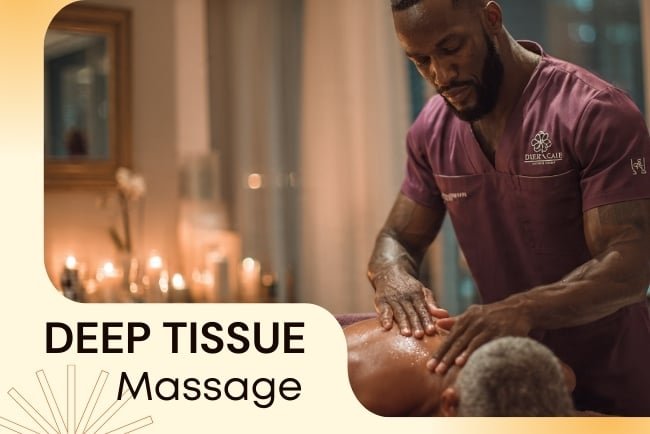
Therapists use different techniques depending on your needs. Here are
the most effective types for back pain:
Here’s a quick comparison:
|
Massage Type |
Best For |
Intensity |
Typical Duration |
Cost (AED) |
Approx. Relief* |
|
Chronic, deep muscle tension |
High (8/10) |
60–90 min |
180–250/hr |
8/10 |
|
|
Therapeutic |
Targeted back pain (specific area) |
Medium (7/10) |
60 min |
170–220/hr |
7/10 |
|
Swedish |
Overall relaxation & stress |
Low-Med (5/10) |
60–90 min |
150–200/hr |
5/10 |
|
Trigger Point |
Knots and referred pain |
Medium-High (7/10) |
60 min |
180–240/hr |
7/10 |
*Pain relief scale is approximate. Actual experience varies.
Your first session will be both thorough and comfortable.
Before your massage:
- Communicate any injuries or health issues to the therapist in advance.
- Wear loose, easy-to-remove clothing.
- Avoid eating a heavy meal at least 2 hours before.
- Drink water earlier in the day so you’re hydrated (this helps muscle
relaxation).
- Have a glass of water ready to drink after the massage.
- Prepare the space if at home: clear clutter around the massage area, set a
comfortable room temperature, and dim lights if desired.
- Avoid strenuous exercise right before your appointment (light stretch is
fine).
After your massage:
- Hydrate. Massage releases toxins and waste; drinking plenty of water
helps flush them out.
- Rest. Take it easy and avoid heavy lifting or intense workouts for
24–48 hours. A warm bath or using a heating pad on sore areas can soothe any
remaining stiffness.
- Gentle Movement. Some light stretching or walking helps maintain
flexibility and reduces post-massage stiffness. Mild soreness is normal and
should fade within a day or two.
- Lifestyle. Consider ergonomic adjustments at work (standing breaks,
better chair) and incorporate stress-relief practices (deep breathing, short
walks) to prolong relief.
- Regular Schedule. Chronic pain responds best to consistency: weekly or
bi-weekly sessions initially, then maintenance sessions as needed.
At DeepCare, every back pain client receives a personalized protocol.
Our certified therapists begin with a thorough assessment of your posture and
pain patterns. We then customize the session – choosing the best techniques
(deep tissue, trigger point, stretching) based on your needs. Therapists here
have specialized training in pain management and years of experience.
After each session we recommend follow-up stretches or exercises and schedule
progress check-ins. Many clients combine massage with light physiotherapy
movements for best results. We also offer same-day bookings and partner with
FixpertSolutions (a trusted Dubai homecare platform) so you can book DeepCare’sexpert therapists to come to you. With 4.8★ rating, certified staff, and
optional medical consults, DeepCare ensures your safety and results.
Anwaar, 35, IT Manager (Palm Jumairah): “I
had 5 years of nagging lower back pain from my desk job. Monthly physio and
meds helped a bit, but relief never lasted. I started weekly DeepCare
deep-tissue massages. After 8 weeks, my pain dropped by about 70%. Now I only
need a maintenance session every other week. The difference is night and day.”
Maya, 42, HR Director (Dubai Marina): “Stress
was causing crippling neck and upper back tension, with migraines 3 times a
week. I tried yoga and painkillers, but still struggled. I switched to Swedish
and therapeutic massages at DeepCare. Within two months of weekly sessions, my
headaches went from 3/week to maybe one a month. It’s not just my neck that
feels better – I feel more relaxed overall.”
Raj, 48, Management Consultant (DIFC): “An
old sports injury used to flare up after long workdays. DeepCare’s combo of
targeted massage and exercise advice reduced my pain by 80%. I’m back to gym
training pain-free. The massage addressed tight spots that PT never touched.”
(These testimonials are typical of many client success stories.)
Is massage safe if I have a herniated or bulging disc? Massage can help relieve muscle spasms around a spinal injury, but it won’t
fix the disc itself. If you have a confirmed herniation, proceed with
caution. Avoid very deep pressure directly on the spine. Always inform your
therapist of the condition. A trained therapist will use gentler techniques and
work on surrounding areas. In some cases, they may advise getting a doctor’s ok
before treatment.
How many sessions until I feel relief? Many
people feel some relief after the first session, but chronic pain
improves over time. Research shows the biggest difference comes from regular
sessions (e.g. 30–60 min weekly). Typically, after 3–6 sessions most
clients notice a clear improvement. We often recommend an initial block (e.g.
weekly for a month) and then reassess. Everyone is different: acute tension
might ease in a couple visits, while long-term pain usually needs consistent
care.
What’s the difference between massage and physical therapy? Both aim to reduce pain and restore function, but with different
methods. Massage therapy focuses on manipulating soft tissues (muscles,
tendons) to relieve tension and improve circulation. Physical therapy is more
exercise-based and may involve stretches, strengthening exercises, and
modalities like ultrasound. They can complement each other: for example,
massage can relax muscles so PT exercises are more effective.
Can massage ever worsen existing back pain? If
done improperly or too aggressively, yes. A qualified therapist will avoid
overworking already inflamed areas. Mild soreness after a deep massage is
normal (it’s like after a workout) and should fade in a day. But intense pain
during or after treatment is a warning. Always speak up about excessive
discomfort during the massage. If pain significantly worsens, stop the massage
and consult your doctor or therapist.
Should I get a massage before or after exercise? It depends. A light massage before exercise can warm up muscles and
improve flexibility. After intense workouts, massage can aid recovery by
flushing waste from muscles and preventing stiffness. In general, post-workout
massage (or on rest days) is often preferred for chronic pain relief.
How often should I get a massage for chronic back pain? For ongoing issues, weekly sessions are common at first. Over time,
many shift to bi-weekly or monthly for maintenance. If pain flares up, you
might increase frequency temporarily. Your therapist will help you plan a
schedule based on progress.
Is home massage as effective as in-clinic therapy? Home massage tools (rollers, balls) and partner massages can help
maintain relief between professional sessions, but they generally can’t replace
a trained therapist’s skill. Clinics offer better technique, targeted pressure
and a controlled environment. However, DeepCare also offers in-home visits via
FixpertSolutions for your convenience, so you can get clinic-quality massage at
home.
Myth vs Fact: Some common misconceptions:
- MYTH: One massage will permanently fix my back pain. FACT:
Massage relief is cumulative. You may feel better after one session, but
lasting change comes from multiple treatments over time.
- MYTH: If a massage hurts, it means it’s working. FACT:
Some pressure discomfort can happen, but extreme pain is not helpful.
Communicate with your therapist to adjust pressure. True pain relief should
follow gradually.
- MYTH: Only physical factors cause back pain. FACT: Emotional
stress and poor sleep play a big role in muscle tension. Managing stress
(through massage, meditation, etc.) is essential for lasting relief.
- MYTH: Home massage gadgets are just as effective as a pro. FACT:
While tools can improve circulation, a professional can target deep layers
correctly. Think of gadgets as supplements, not replacements.
Important: Massage is generally safe, but
not a substitute for medical care. Please consult with a healthcare provider
before starting massage therapy if you have serious spinal issues, fractures,
or other medical concerns. Massage complements medical treatments but does not
replace them.
Back pain shouldn’t be your daily norm. Massage therapy offers a
scientific, drug-free way to break the cycle of tension and stress. By
increasing blood flow, easing muscle tightness, and calming stress hormones,
regular massage can significantly reduce pain and improve mobility. For best
results, work with certified therapists like those at DeepCare Spa, who
understand anatomy and pain.
Stop living with back pain. Book your
professional back-pain relief massage with DeepCare Spa today. Our expert
therapists hold medical certification and use proven protocols. We offer medical
consultations if needed, and boast a 4.8★ client rating for trust and quality.
Many clients see big relief in just 3–4 sessions. Call or WhatsApp +971526128430 for a free consultation,
or visit www.deepcarespa.com to schedule. You can also find us on
FixpertSolutions (a top Dubai homecare marketplace) to conveniently book home
visits. Let DeepCare help you stand straighter, feel better, and reclaim your
comfort – one massage at a time!










 December 22, 2025 - BY Admin